How TPMS Improves the Driving Experience and Vehicle Safety?
Modern drivers are paying more attention to vehicle safety, driving comfort, and smart automotive technology. Among all automotive safety systems, TPMS (Tire Pressure Monitoring System) has become one of the most practical and important upgrades for daily driving.
A TPMS system continuously monitors tire pressure and temperature in real time, helping drivers detect abnormal tire conditions before they become dangerous.
But what real benefits does TPMS bring to drivers?
In this article, we explore how tire pressure monitoring systems improve driving safety, comfort, efficiency, and overall vehicle performance.
Table of Contents
ToggleWhat Is a TPMS System?
TPMS stands for Tire Pressure Monitoring System.
The system uses wireless sensors installed on each tire to monitor:
- Tire pressure
- Tire temperature
- Air leakage
- Abnormal tire conditions
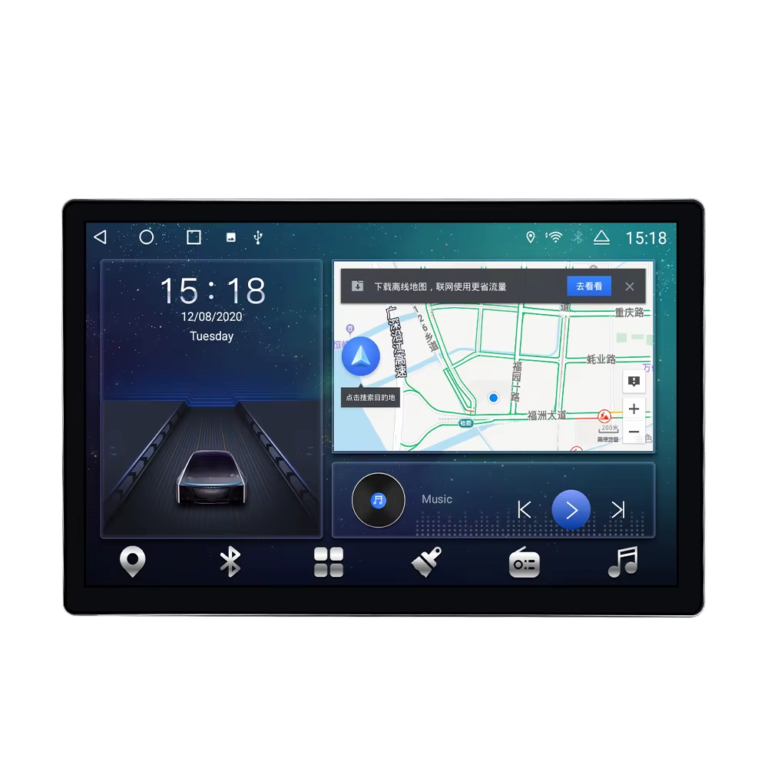
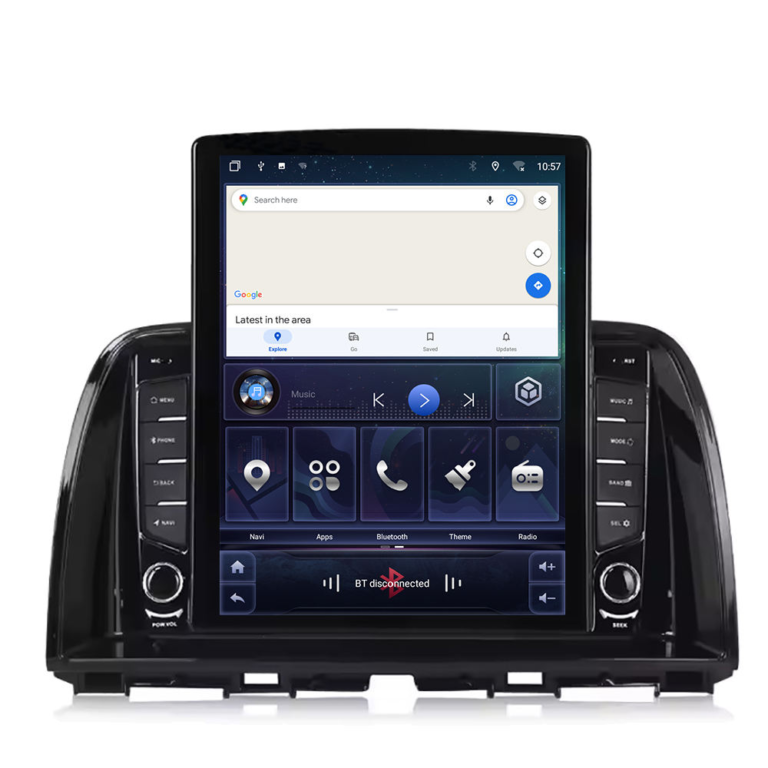
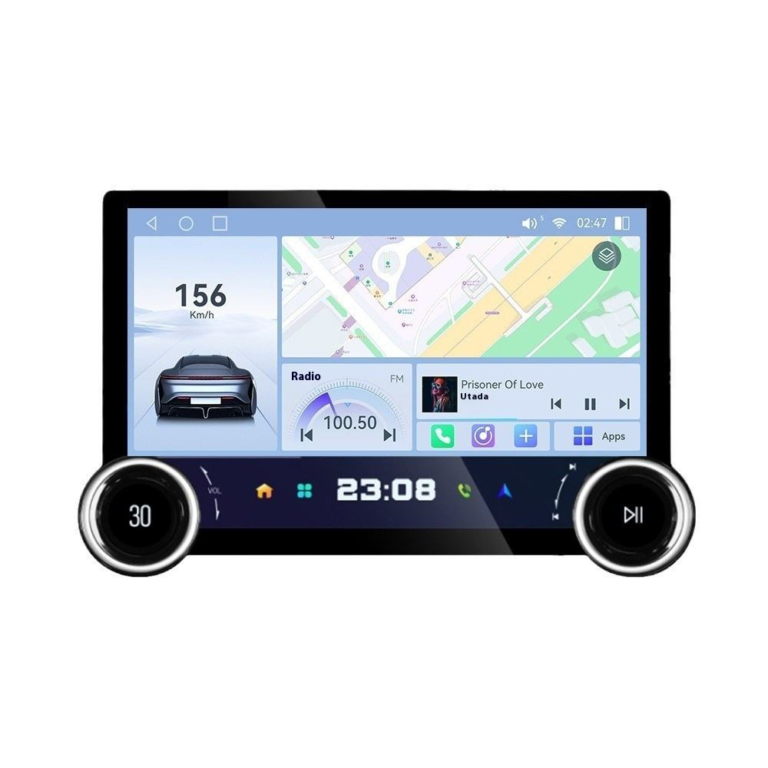
Real-time data is displayed on a monitor or Android head unit, allowing drivers to quickly identify tire problems while driving.
Modern TPMS systems are widely used in:
- Passenger cars
- SUVs
- Pickup trucks
- RVs
- Trucks
- Commercial vehicles
- Trailers
1. Improves Driving Safety
The biggest advantage of TPMS is improved safety.
Incorrect tire pressure is one of the leading causes of:
- Tire blowouts
- Loss of vehicle control
- Uneven braking
- Poor handling
- Increased accident risk
TPMS helps drivers detect problems early by providing instant alerts when tire pressure becomes too low or too high.
Real-Time Warning Functions
A quality TPMS system can provide alerts for:
- Fast air leakage
- Low pressure
- High pressure
- High tire temperature
- Sensor abnormalities
Early warnings allow drivers to react before a serious problem occurs.
2. Reduces Tire Blowout Risk
High-speed driving with improper tire pressure can be extremely dangerous.
Underinflated tires generate excessive heat, which increases the risk of:
- Tire damage
- Sidewall failure
- Sudden blowouts
TPMS continuously monitors tire conditions and helps drivers maintain safe pressure levels.
This is especially important for:
- Highway driving
- Long-distance travel
- Heavy-load vehicles
- Hot weather environments
3. Improves Fuel Efficiency
Incorrect tire pressure increases rolling resistance.
This forces the engine to work harder and causes:
- Higher fuel consumption
- Reduced driving efficiency
Properly inflated tires help optimize fuel economy.
TPMS allows drivers to maintain ideal tire pressure at all times, improving overall vehicle efficiency.
For commercial fleets and long-distance drivers, this can lead to significant fuel savings over time.
4. Extends Tire Lifespan
Uneven tire pressure causes uneven tire wear.
Common problems include:
- Premature tire replacement
- Irregular tread wear
- Reduced tire lifespan
By maintaining balanced tire pressure, TPMS helps tires wear more evenly and last longer.
This reduces maintenance costs and improves long-term vehicle reliability.
5. Enhances Driving Comfort and Stability
Proper tire pressure directly affects driving comfort.
Correctly inflated tires improve:
- Steering stability
- Ride comfort
- Cornering performance
- Vehicle balance
- Braking response
Drivers often notice smoother handling and more stable driving after maintaining proper tire pressure.
This is especially important for:
- SUVs
- Pickup trucks
- RVs
- Commercial vehicles
6. Reduces Manual Tire Inspection
Without TPMS, drivers must manually check tire pressure frequently.
This process can be:
- Time-consuming
- Inconvenient
- Easy to forget
A TPMS system automates real-time monitoring, allowing drivers to instantly view tire conditions while driving.
This greatly improves convenience for everyday vehicle use.
7. Ideal for Long-Distance and Highway Driving
Long-distance driving places greater stress on tires.
TPMS is especially valuable for:
- Highway travel
- Road trips
- Fleet vehicles
- Logistics transportation
- RV driving
Real-time monitoring gives drivers greater confidence during extended driving hours.
8. Supports Smart Driving Systems
Modern TPMS products now integrate with:
- Android head units
- Solar-powered displays
- Wireless displays
- Smartphone applications
Advanced systems offer:
- Real-time data visualization
- Multi-wheel monitoring
- Automatic sensor pairing
- USB or solar charging
This creates a smarter and more connected driving experience.
Why TPMS Is Becoming More Popular Worldwide
Global demand for TPMS systems continues to grow because drivers increasingly value:
- Driving safety
- Smart vehicle technology
- Preventive maintenance
- Fuel efficiency
- Driving convenience
Many countries also require TPMS in modern vehicles due to safety regulations.
As awareness of tire safety increases, TPMS has become one of the most practical automotive electronics upgrades in the aftermarket industry.
Conclusion
A Tire Pressure Monitoring System is much more than a simple automotive accessory. It is an important safety and driving assistance system that helps drivers maintain safer, more efficient, and more comfortable driving conditions.
TPMS provides major benefits including:
- Real-time tire monitoring
- Improved driving safety
- Reduced blowout risk
- Better fuel efficiency
- Longer tire lifespan
- Enhanced driving stability
- Smarter vehicle management
For modern drivers, TPMS has become an essential upgrade for safer and smarter driving experiences.